
Navigating Global Trade Challenges for Logistics

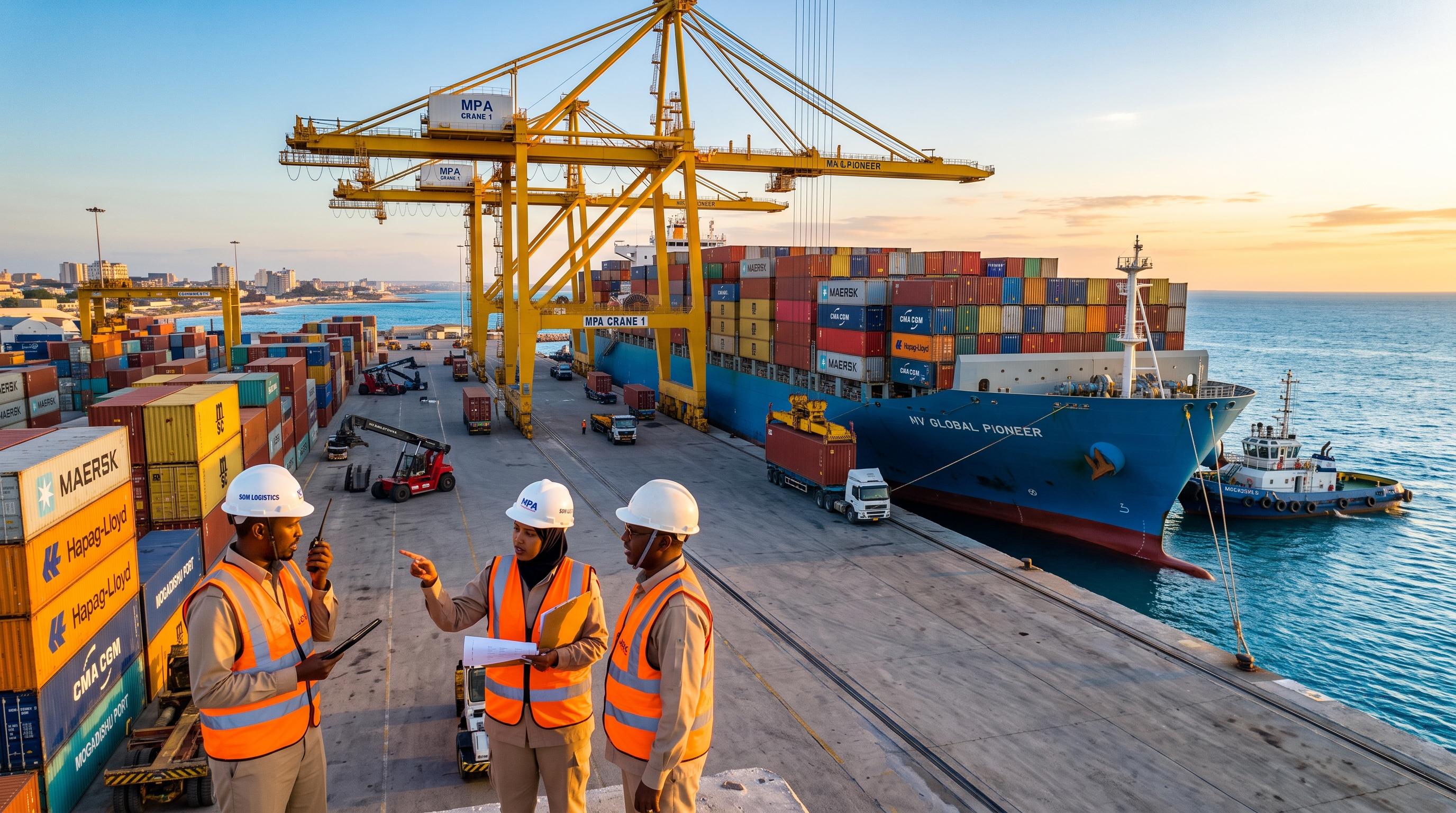
Global trade rarely moves in a straight line. Freight rates shift, customs rules change, and unexpected disruptions occur. Businesses that plan for this tend to fare better than those expecting everything to go smoothly.
Freight Rate Volatility
Shipping costs can move significantly based on fuel prices, capacity constraints, and seasonal demand. Building some flexibility into budgets and timelines helps absorb these swings rather than being caught off guard by them.
Customs Complexity
Regulations, tariffs, and required documentation vary by country and can change with little notice. Working with a partner who actively tracks these changes is often more valuable than trying to track them all yourself.
Disruption Is the Rule, Not the Exception
Port congestion, weather events, and regional disruptions happen regularly enough that they should be planned for, not treated as rare surprises. A realistic buffer in your timeline absorbs most of these without derailing your plans.
The Value of an Experienced Partner
A logistics partner who has navigated these challenges before can often flag a likely delay or cost increase before it happens, giving you time to adjust rather than reacting after the fact.
Recent Posts
The latest information about shipping services and our promotions

Logistics Trends: Insights and Predictions for Future
A grounded look at where logistics is heading: more digital, more sustainable, and increasingly shaped by regional trade growth.

Resilient Supply Chains: Adapting to Modern Logistics
Building a supply chain that can absorb disruption, rather than one that only works when everything goes right.

The Role of AI in Transforming Logistics
A realistic look at where artificial intelligence is genuinely useful in logistics today, without the hype.
Logistics: Customer Expectations in World
Customers expect more visibility and faster answers than ever. Here's what that means for logistics providers.


