
Smooth Sailing: Tips for Shipping Internationally

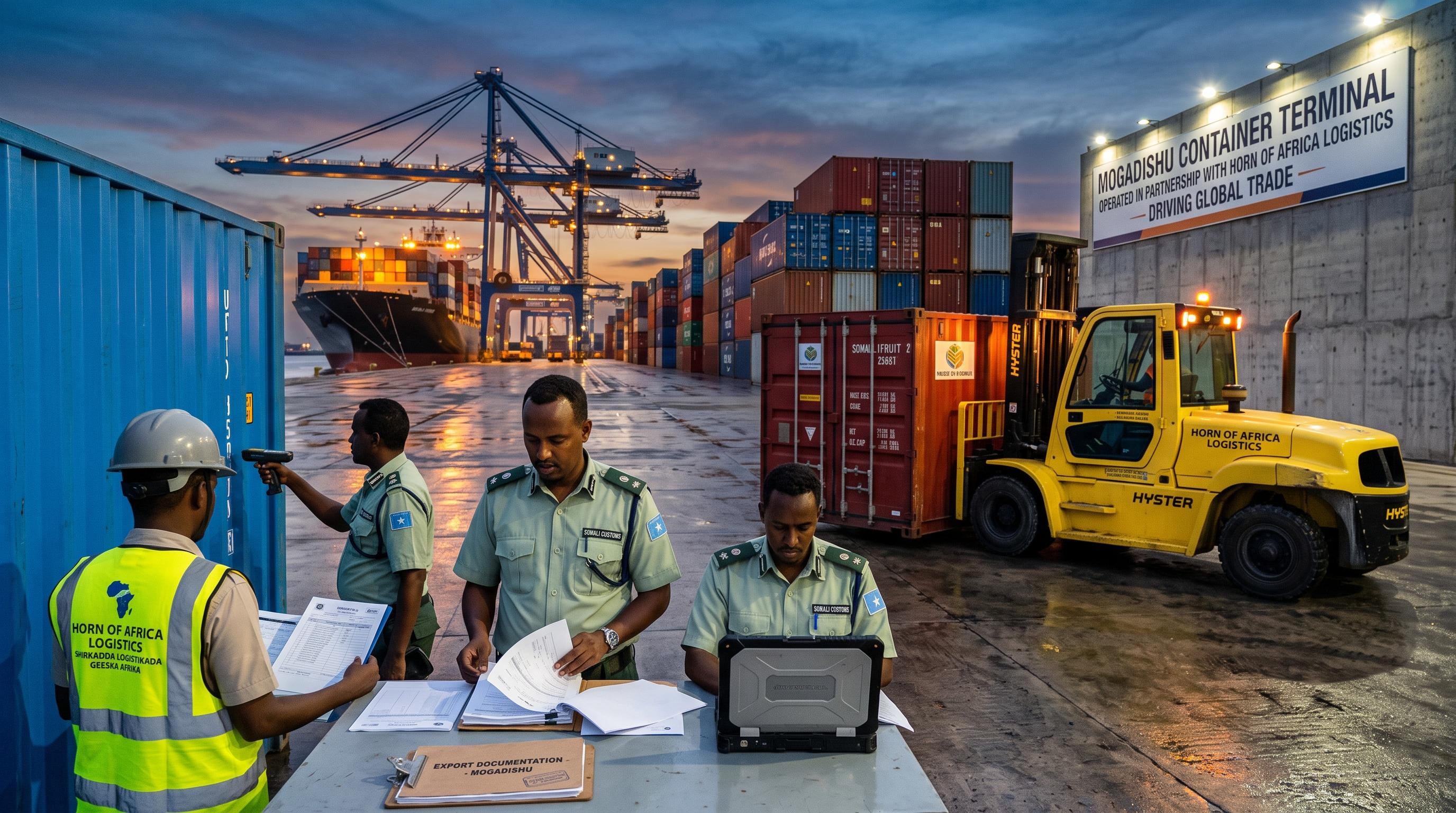
International shipping runs on paperwork as much as it runs on ships and planes. Most delays and disputes trace back to something that could have been caught before the cargo ever left the warehouse.
Get Your Documentation Right the First Time
A commercial invoice, packing list, and (where relevant) certificate of origin should match exactly: same quantities, same values, same descriptions. Small inconsistencies between documents are one of the most common reasons cargo gets held at customs.
Understand Who's Responsible for What
Shipping terms (Incoterms like FOB, CIF, or DDP) determine exactly where the seller's responsibility ends and yours begins, including who pays for insurance and who arranges the main freight. Confirm this before you agree on price, not after.
Build in a Realistic Buffer
Transit times are estimates, not guarantees. Port congestion, customs spot-checks, and weather can all add days. If a shipment is time-sensitive, plan around the possibility of delay rather than the best-case scenario.
Consider Insurance for Valuable Cargo
Freight rates don't automatically include cargo insurance. For higher-value shipments, it's worth the modest extra cost for the peace of mind if something goes wrong in transit.
Recent Posts
The latest information about shipping services and our promotions

Logistics Trends: Insights and Predictions for Future
A grounded look at where logistics is heading: more digital, more sustainable, and increasingly shaped by regional trade growth.

Resilient Supply Chains: Adapting to Modern Logistics
Building a supply chain that can absorb disruption, rather than one that only works when everything goes right.

The Role of AI in Transforming Logistics
A realistic look at where artificial intelligence is genuinely useful in logistics today, without the hype.

Logistics: Customer Expectations in World
Customers expect more visibility and faster answers than ever. Here's what that means for logistics providers.


