

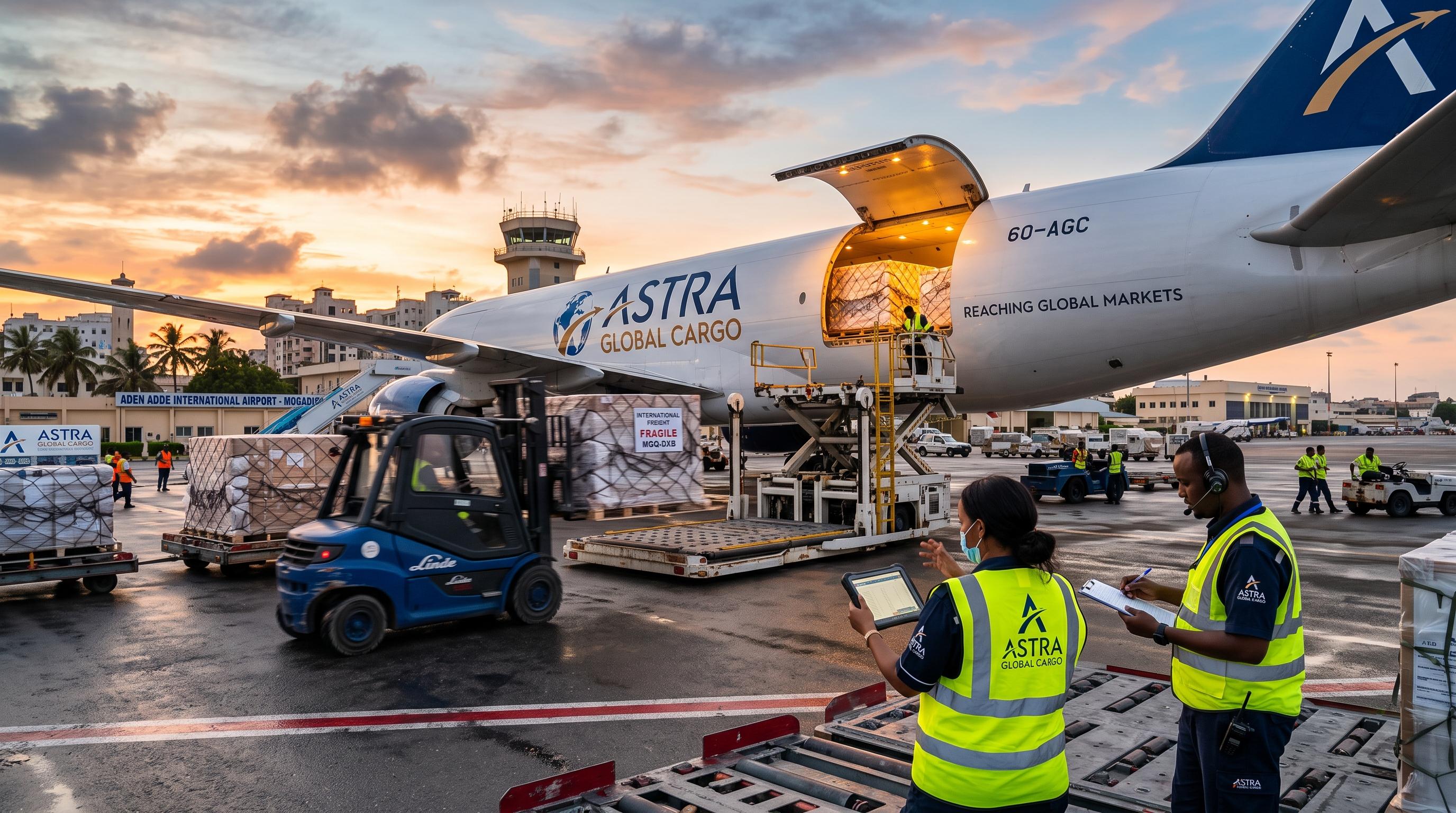
Technology in logistics isn't only about warehouse robots and flashy dashboards. For most businesses, the practical improvements are simpler: knowing where your cargo is, and less paperwork lost in the process.
Real-Time Visibility
Shipment tracking has moved from occasional phone updates to continuous status visibility. Even a simple system that flags departure, customs clearance, and arrival milestones removes a lot of the uncertainty that used to be normal in freight.
Digital Documentation
Digitized bills of lading, invoices, and customs declarations reduce the risk of lost paperwork and make it far easier to resolve disputes, since there's a clear digital record of exactly what was agreed.
Data-Driven Decisions
Logistics providers increasingly use historical shipment data to predict delays, recommend better routes, and flag unusually high-risk bookings before they become problems.
What This Means Locally
These tools are reaching African and Somali logistics markets gradually. Even basic adoption, like consistent shipment status updates, already makes a meaningful difference for businesses used to far less visibility.
Recent Posts
The latest information about shipping services and our promotions

Logistics Trends: Insights and Predictions for Future
A grounded look at where logistics is heading: more digital, more sustainable, and increasingly shaped by regional trade growth.

Resilient Supply Chains: Adapting to Modern Logistics
Building a supply chain that can absorb disruption, rather than one that only works when everything goes right.

The Role of AI in Transforming Logistics
A realistic look at where artificial intelligence is genuinely useful in logistics today, without the hype.

Logistics: Customer Expectations in World
Customers expect more visibility and faster answers than ever. Here's what that means for logistics providers.


